
Surfing and back injuries
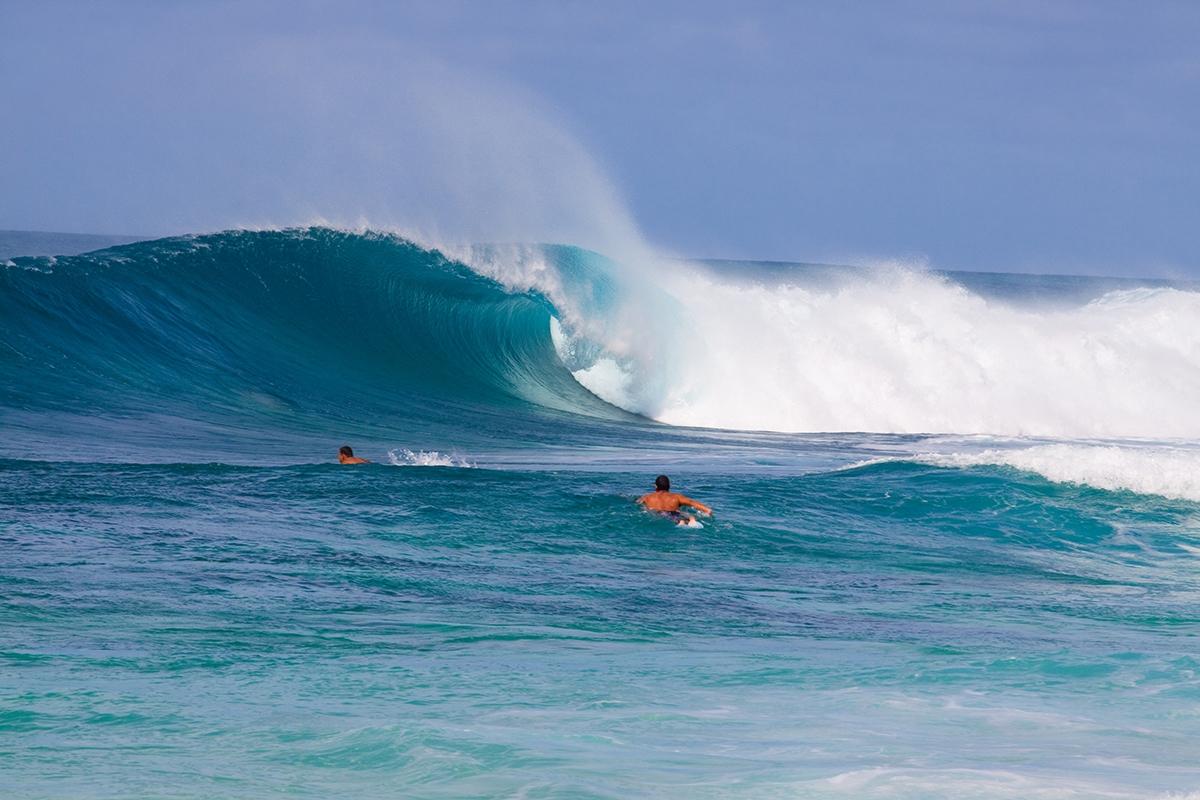
Surfer's Back: Why Your Back Can Feel It After Time in the Water
Living on the Gold Coast, surfing and other water sports come up a lot. One thing I've noticed is that people often think about the obvious part of surfing - standing up, turning, getting smashed by a wave, maybe a bad wipeout.
But a huge part of surfing is actually paddling. When you're paddling you're lying on your stomach with your chest and head lifted so you can see where you're going. Your lower back sits in extension (arched backwards) for quite a while, your upper back is working, your neck is held up and your shoulders keep moving over and over.
For a few minutes it's probably not much of an issue. After a long session, especially if you haven't been surfing much lately, it can be a very different story. People sometimes call this "surfer's back". It's not one specific diagnosis - it's more of a general way of describing the lower back discomfort some surfers notice during or after a surf, and it's not always just the lower back either.
Where the load actually goes
It's rarely just one part of the spine. The lumbar spine - L1 to L5 and the sacrum - does a fair bit of work when you're paddling, but I wouldn't look at that area on its own:
- Your upper back needs to move well
- Your neck needs to comfortably lift and turn
- Your shoulders are doing a lot of repetitive work
- Your hips and trunk influence how easily you can hold that position on the board
There's also a lot happening that you don't consciously think about. Your nervous system is constantly coordinating balance, timing, movement and your response to what's happening underneath you. Surfing is a great example of how much the body has to organise at once - which is why I tend to look at the whole person rather than just one sore joint or muscle.
Then there's the pop-up. This is another part people don't always think about. You've spent time lying prone and paddling, then suddenly you need to get your feet underneath you quickly while the board is moving. Mobility, strength, timing and coordination all have to come together pretty fast. Once you're on your feet the demands change again - rotation, side bending, load through the legs, reacting to the wave. It's a pretty unique combination.
refer How the world's best pop-up
That's why when a surfer comes in with recurring back discomfort I'm usually not just interested in the one sore spot. I want to see the bigger picture.
What can you actually do about it?
There isn't one perfect stretch for every surfer. Usually it's worth looking at the basics first:
1 Upper back mobility: How well is your upper back actually moving?
2 Hip mobility: Are your hips moving reasonably well, or is something else compensating for them?
3 Trunk strength and endurance: Do you have enough for the amount of surfing you're doing?
4 Warm-up: Are you warming up at all before getting in the water?
5 Workload: If you haven't surfed much for a couple of months and then suddenly do three long sessions in a week, your body has to catch up pretty quickly.
That doesn't mean you need to avoid surfing - far from it. It just means the amount you're asking of your body matters.
I also think it's worth moving away from the idea that we should only pay attention to our body once something hurts. Most surfers look after their boards before they snap. They work on technique before something goes badly wrong. Looking after your body can be thought about in much the same way. Pain is useful information, but it doesn't have to be the only reason you start paying attention to how you're moving, recovering and coping with load.
If your back or neck keeps getting sore every time you surf, starts cutting sessions short, or just doesn't seem to settle, then it's worth having it properly assessed rather than endlessly stretching the sore area and hoping it goes away.
From a chiropractic point of view I'm interested in how the whole person is moving and functioning. Where is the discomfort coming from? How well is the spine moving? What are the hips and upper back doing? Is one area taking more load than it's handling particularly well? Sometimes the answer is simple. Sometimes it isn't.
For me the bigger goal is not just getting someone through their next surf - it's helping them look after their body so they can keep doing the things they love. For surfers that usually means one thing: you want to keep surfing, and ideally keep doing it for a long time.
Dr Craig Haywood
Chiropractor, Clear Chiropractic - Paradise Point

Recent Posts
- Dec, 16, 2025
Collectable surfboard ridden or displayed?
- Nov, 26, 2024
Surfing and your ears
- Jun, 27, 2024
Body movement - John John
- Dec, 14, 2023
Mental health benefits from surfing
- Nov, 29, 2023
Jetski Cowboy
- Aug, 24, 2023
Perfecting your Take Off
- Dec, 8, 2022
Going Vertical
- Jan, 4, 2022
Kirra - Cyclone Seth January 3rd 2022
- Mar, 31, 2021
Jett Tech Jetski Racks Story
- Feb, 19, 2021
The Ghost Racks Story
- Feb, 10, 2021
Kirra Barrels Feb 2021
- Jan, 15, 2021
Dangerous Dribble
- Dec, 21, 2020
1975 Ben Aipa Stinger Swallow
- Nov, 25, 2020
3 Types of Paddling
- Dec, 30, 2019
Using your arms while surfing
- May, 31, 2019
How do the worlds best pop-up?

Born on the Gold Coast as a result of 3 mates discussing selling surfboards. What about a website that allows you to sell your boards for free? A site specially made with measurements and features to allow finding a board easily. So here it is.
Current Locations
Contacts
-
Contact us directly at +61(07) 55-320-651
-